Our story
SWIMMING FOR FOOD, WINE FOR LIFE
On Vis in 1944. There wasn’t enough food that year.
The Italian occupation had ended, but British destroyers and gunboats, German ships and submarines, magnetic mines and aircraft circled the small island in the middle of the Adriatic Sea.
That year, no one was allowed to “fish”. Swiss chard was eaten for breakfast, sea urchins and sea urchins were eaten for lunch, and potatoes were eaten for dinner. With the arrival of winter, everything soon disappeared. The mainland was far away. The people of Vis lacked food, but ever since the time of Dionysius of Syracuse, they had something else.
When are ancient Greeks 397. eg. n. e. founded on Vis polis Issa, in the area of Veli polje they planted the first vines in our region. Thus, the inhabitants of Vis, both in times of peace and in times of war, cultivated vines and produced wine for which it is still Agarthid in 2. century BC Christ claimed it was the best.
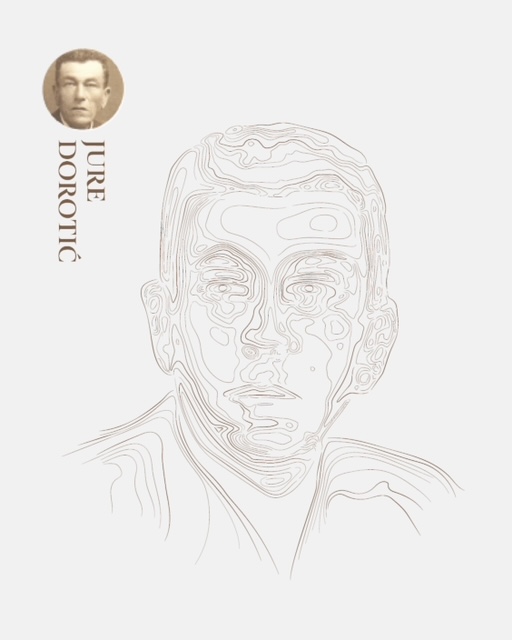
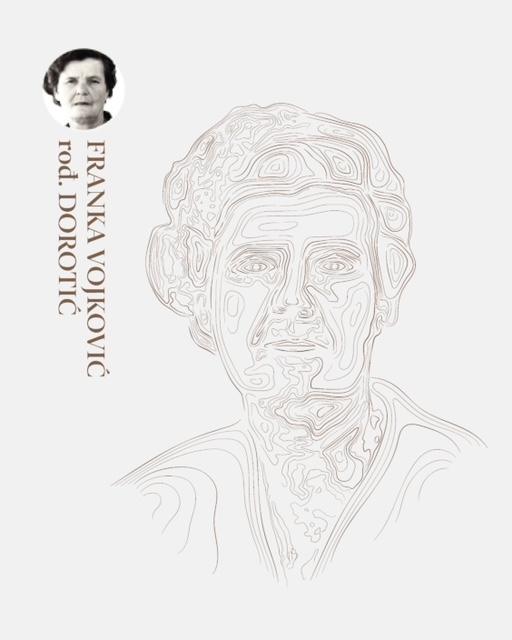
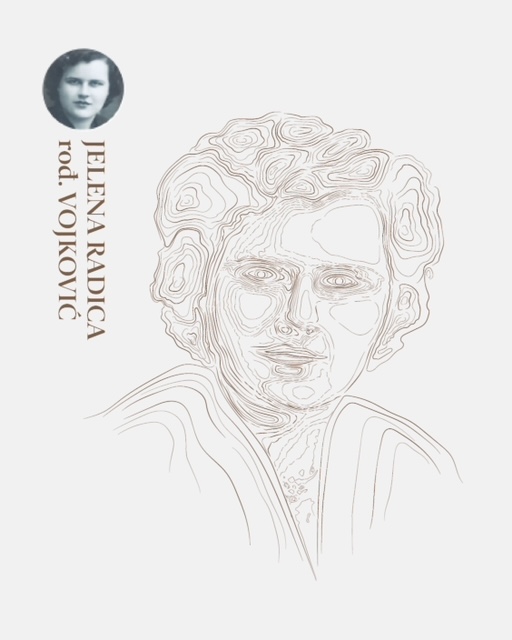
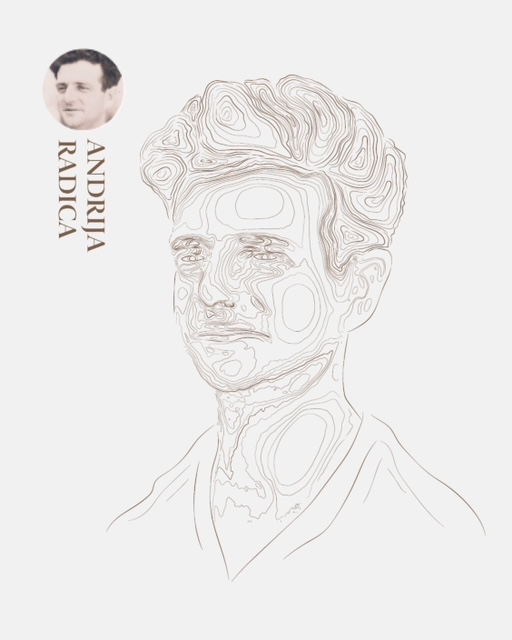
Centuries later, the Vis people , grandmother Frank and grandfather Jure, poured their Plavac into a bottle and set out to meet the British soldiers, the English, the Scots, the Welsh, the guys from a distant island in the Atlantic, who were protecting a secret Allied air base on Vis.
They traded their bluestone, the fruit of the powerful sun and sandy soil, with the soldiers for food.
Plavac for dry military rations.
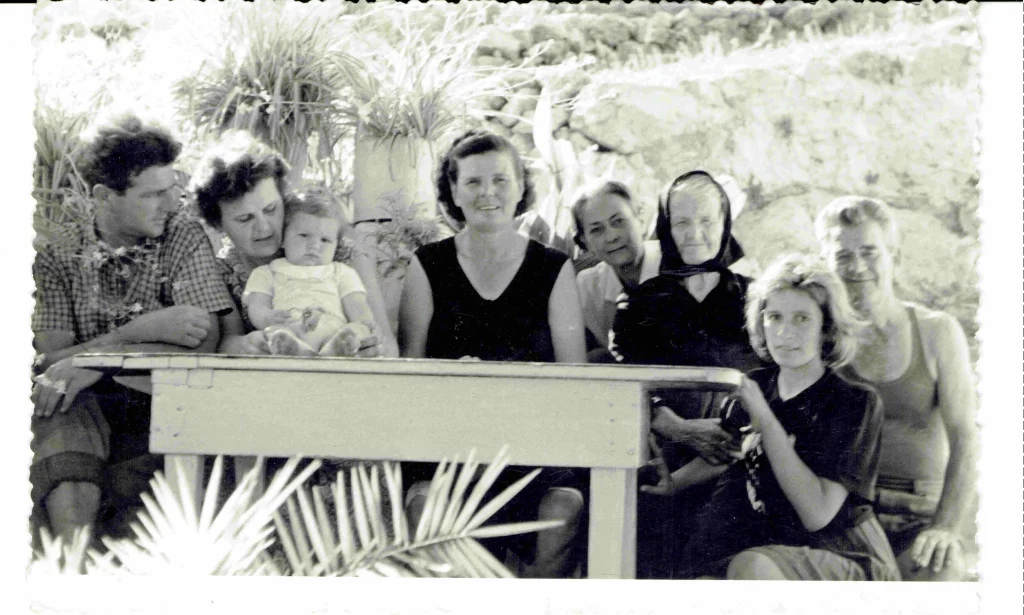
A bottle of wine was worth as much as a can of breakfast meat, candy in shiny cellophane, a bag of cocoa, or a package of dry biscuits. The price was negotiated hard, and the most skilled was dida Jure . On the battlefields of World War I, in the Carpathians and Galicia, he mastered the ever-useful skill of negotiation and the occasional foreign word.
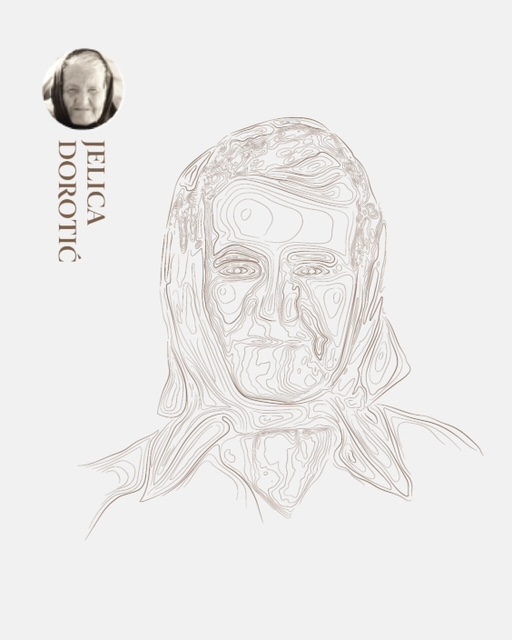
Through the exchange, cocoa ended up in goat milk. That exotic powder was the first crumb of chocolate that Grandma Frone’s children Jelenka and Jure ever tasted. And the soldiers, the boys from Manchester, Leicester, Uist, Cardiff…, exhausted by war, surrounded by blood, finally took a breather. Plavac mali from the sandy terrains of Milna, Voščica, Ljubišće and Tihobraća polje calmed their fears and reminded them of everything beautiful and good, of what they are fighting for.
And so another alliance was formed.
Since then, the islanders, the people of Više and the British, have been exchanging wine for food, dry military rations for Plavac , and in 1944, they too won another victory. Victory over hunger and hopelessness.
A big victory on a small island in the middle of the Adriatic.